Unlocking Performance: Ultimate Guide to Upgrading Your Jetta 4 Engine
Boosting power output in the Jetta 4 powertrain calls for a strategic upgrade strategy. By prioritizing critical upgrades, performance-minded individuals can increase both power and operational efficiency. From performance air intakes to electronic control unit reprogramming, all upgrades play a vital part. Understanding the nuances of these components is vital for reaching optimal outcomes. As the journey unfolds, the options pursued will substantially shape the driving experience. Which modifications offer the ideal combination of power and dependability?
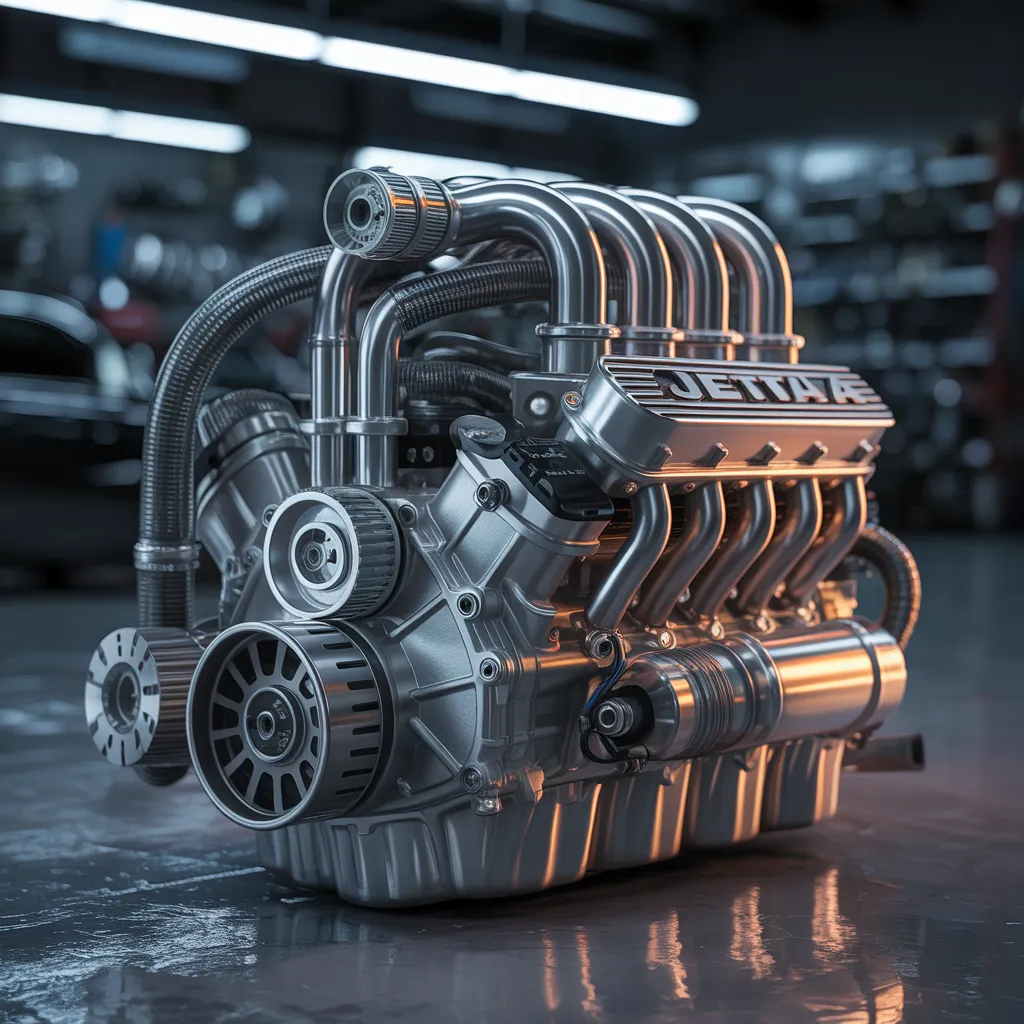
Top Engine Upgrades for Your Jetta 4
When evaluating critical performance modifications for the Jetta 4, car owners often focus on modifications that optimize output and effectiveness. A widely favored enhancement is the addition of a performance air intake system. This upgrade enhances airflow to the engine, enabling improved engine breathing and enhancing throttle sensitivity. Furthermore, installing a upgraded exhaust setup improves exhaust circulation, which can deliver improvements in horsepower and torque.
Another key upgrade is the engine chip tuning, which optimizes fuel maps and ignition timing for enhanced performance. This tuning can significantly improve acceleration and overall drivability. Adding an upgraded intercooler is also advantageous, particularly for forced induction models, as it helps maintain lower intake temperatures and improves efficiency. To round things off, considering a lightweight flywheel can reduce rotational mass, facilitating quicker engine revs and enhanced performance. Combined, these modifications establish a solid foundation for a stronger and more efficient Jetta 4 engine.
Picking the Right Performance Parts for Your Jetta 4
When enhancing a Jetta 4 model engine, picking the correct performance parts is vital for achieving ideal results. Knowing the fundamental performance components can considerably boost engine performance and output. This article will cover critical enhancements that can revolutionize how the vehicle performs.
Engine Upgrade Guide
Improving the engine of a important resource Jetta 4 can significantly improve its performance and driving experience. Choosing the right performance components is critical for attaining the expected improvements. Available enhancements encompass turbochargers, high-flow air intakes, and performance exhaust systems, all of which provide increased horsepower and torque. Moreover, refining engine management software can refine fuel delivery and ignition timing, additionally boosting performance. Prior to implementing enhancements, it is important to evaluate compatibility with existing components and driving preferences. Exploring well-known manufacturers and compiling user reviews can aid in making informed decisions. Ultimately, a thoroughly developed engine upgrade strategy can result in significant improvements in acceleration, efficiency, and overall driving enjoyment. Thoughtful choices ensure that enhancements correspond to individual goals for the Jetta 4.
Key Performance Elements
Selecting the ideal performance components for a Jetta 4 is essential to reaching maximum gains in efficiency and power. Key upgrades include a upgraded air intake system, which boosts airflow and improves engine breathing. Combined with a high-performance exhaust system, this combination can considerably reduce back pressure, enabling improved exhaust flow and increased horsepower. Upgrading the intercooler helps maintain proper air temperatures, additionally improving engine performance. In addition, a reprogrammed engine control unit (ECU) can improve fuel delivery and ignition timing for increased power output. Finally, considering enhanced suspension components, such as performance shocks and springs, improves stability and handling, guaranteeing that the Jetta 4 can fully harness its newfound power on the road.
Exhaust Systems: Choosing the Best for Sound and Power
As many automotive enthusiasts place emphasis on performance, the decision of an exhaust system can greatly influence both acoustics and performance in a Jetta 4. Installing a high-performance exhaust system can improve engine performance by decreasing restrictive back pressure, enabling better airflow. This improvement in airflow not only boosts horsepower but also results in a more assertive engine sound that many drivers seek.
When choosing an exhaust system, available options include axle-back systems, cat-back systems, and headers. Every option delivers distinct benefits and sound characteristics, from deep, throaty growls to high-pitched screams. Material choice also plays a significant role; stainless steel is the top choice for its durability and corrosion resistance.
Ultimately, the ideal exhaust system balances performance and sound, complementing the Jetta 4's characteristics while satisfying the driver's individual needs. Thorough evaluation of these elements secures a satisfying upgrade that enhances both driving experience and vehicle appeal.
Turbocharging vs. Supercharging for Your Jetta
When considering how to markedly boost the power output of a Jetta 4, tuners often weigh the benefits of turbocharging versus supercharging. Turbocharging utilizes spent exhaust gases to drive a turbine, compressing air entering the engine, which enhances power output without substantially adding to engine displacement. This technique commonly produces improved fuel economy and reduced emissions, making it a preferred selection among automotive tuners.
Conversely, supercharging directly draws power directly from the crankshaft of the engine, offering instantaneous boost. This results in rapid throttle response and reliable power delivery throughout the full RPM band. Nevertheless, supercharged systems can reduce the engine's overall efficiency because of parasitic loss.
In the end, choosing between turbocharging and supercharging is a matter of individual preference. Turbochargers are often favored by those who value fuel efficiency and top-end power, whereas superchargers appeal to those who demand on-demand performance. Each option has distinct advantages, allowing Jetta 4 owners to tailor their vehicles to specific driving styles.
How to Enhance Your Jetta's Performance Using ECU Remapping
Fine-tuning a Jetta's engine performance through ECU remapping can substantially boost torque and horsepower. The process entails modifying the ECU's software to improve ignition timing, fuel delivery, and boost pressure. By adjusting these variables, drivers can experience better acceleration and improved overall performance.
Before proceeding, it is crucial to find a reliable tuning professional or employ trusted software tailored for Jetta models. Each car may need particular modifications depending on its upgrades and purpose.
In addition, data logging during test drives can offer valuable insights, enabling further refinements in the tuning process.
After the remapping is complete, motorists should carry out detailed inspections to confirm that performance gains do not compromise engine reliability. This careful approach guarantees that the Jetta delivers a balanced blend of power and efficiency, maximizing the potential of the upgraded engine without sacrificing longevity.
Care Tips for Your Improved Jetta 4 Performance
Consistent maintenance plays a vital role in maximizing the performance of a performance-enhanced Jetta 4. Owners should prioritize regular oil changes, using high-quality synthetic oil to guarantee optimal engine lubrication and efficiency. Regularly inspecting and replacing air filters is critical, as a clean filter promotes better airflow and enhances engine performance.
Additionally, maintaining proper tire pressure and alignment results in superior handling and increased fuel efficiency. Monitoring and changing spark plugs at suggested intervals additionally boosts overall ignition effectiveness, having a direct effect on performance.
It is crucial to track the vehicle's coolant levels and ensure the cooling system is functioning properly to prevent overheating. Periodic checks of the brake system and suspension parts are necessary for safety and performance.
Finally, incorporating high-performance fuel can help enhance engine performance, particularly after significant upgrades. By implementing these care practices, Jetta 4 operators can achieve sustained performance from their upgraded vehicles.
Common Questions and Answers
What Is the Average Cost of Upgrading a Jetta 4 Engine?
The average cost of enhancing a Jetta 4 engine typically ranges from $1,500 to $5,000, based on the chosen modifications, parts selected, and labor required, highlighting varying performance objectives and personal preferences.
Should I Attempt Upgrades Myself, or Is It Better to Hire a Professional?
Enhancements can be performed independently if the owner maintains appropriate technical knowledge and equipment. Still, engaging a professional is encouraged for individuals without experience, providing the best possible results and decreasing the potential for mistakes throughout the process.
In What Ways Will Upgrades Influence My Jetta's Warranty
Modifications may void a Jetta's factory warranty, most notably if they impact engine components. It is important for vehicle owners to carefully examine the warranty conditions and speak with dealerships to clarify which modifications may impact their warranty coverage.
What Are Common Mistakes to Avoid During Engine Upgrades?
Typical oversights during engine upgrades include neglecting compatibility, underestimating installation complexity, failing to account for required supplementary modifications, not thoroughly researching quality parts, and overlooking critical tuning specifications. These oversights can cause diminished performance and risk serious engine damage.
How Do I Confirm That My Upgrades Are Street Legal?
To guarantee upgrades remain legally compliant, one must research local regulations, pick regulation-friendly parts, acquire required permits, and seek expert guidance. Regular inspections may also assist in ensure compliance with environmental and safety regulations.
Wrapping Up
In summary, upgrading the Jetta 4 engine provides a road to enhanced performance and driving enjoyment. By strategically implementing key upgrades—such as improved air intake, exhaust systems, and engine tuning—owners can access substantial gains in both power and efficiency. Careful selection of quality parts and regular maintenance also confirms that these upgrades deliver dependable performance. In the end, a properly enhanced Jetta 4 not only offers an exhilarating time behind the wheel but also stands the test of time on the road.